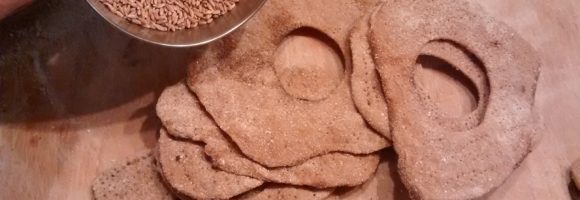
Ok, so it may be that with half of my gene pool coming from Norway it’s almost inevitable that I have a craving that periodically can only be fulfilled with fresh homemade crispbread. Fortunately, crispbread is fast and easy to make. While I know it is designed to last a long time – I’ve never found that I can keep a batch around for very long – especially when there is a hearty fall soup, some smoked salmon or gravlax, or an awesome cheese to do it justice.
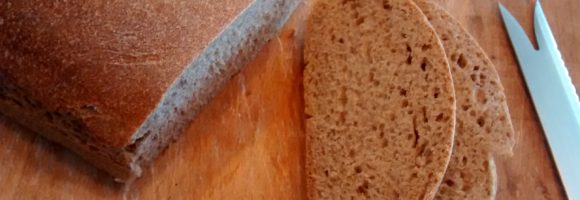
This has got to be one of my favorite loaves – great for sandwiches and just begging to be toasted and topped with some buckwheat honey.
One of the great things about having a grain mill is that it provides you with a big range of flour options for baking – wheat, corn, rye, barley, oat, triticale, spelt, and more can be purchased cheap from farm stores in 50# bags and stored for the long haul either in the bag themselves or in 45 gallon drums to be ground as you need. That makes producing “artisanal” loaves such as this light rye a breeze and a cheap one at that.
Sourdough rye bread ready for the oven
With a bit of tang from the sourdough and the full extraction rye flour cut with some white this loaf is an easy sell for most folks.
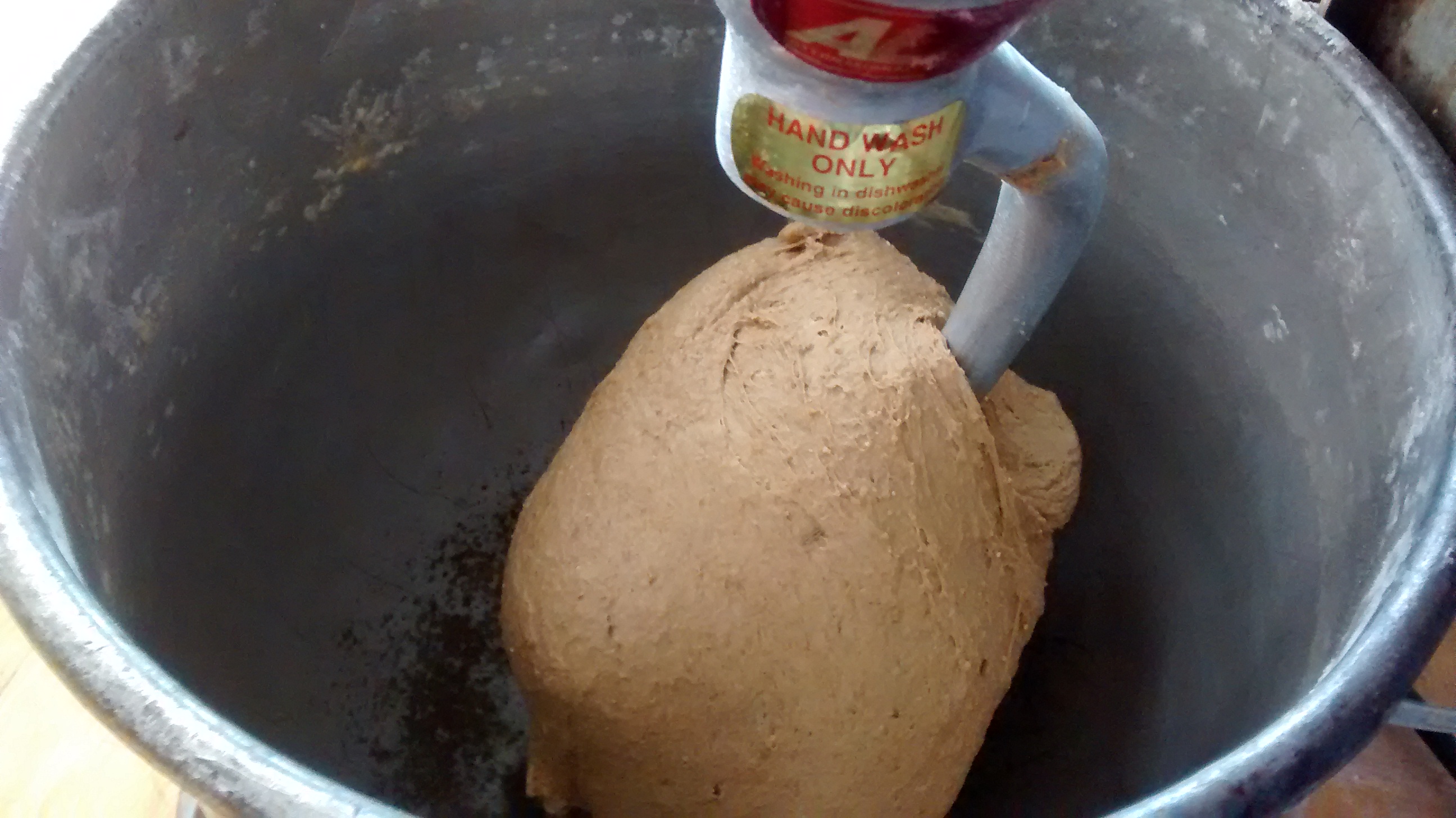
Even better, while it takes a bit more forethought the actual time required to work the loaf is minimal – especially if you have a stand mixer.
Pumpernickel bread is one of my favorite breads, rich and complex in flavour it’s a great accompaniment to sharp cheese, toasted and slathered with butter and a strong honey or as the foundation for a great sandwich.
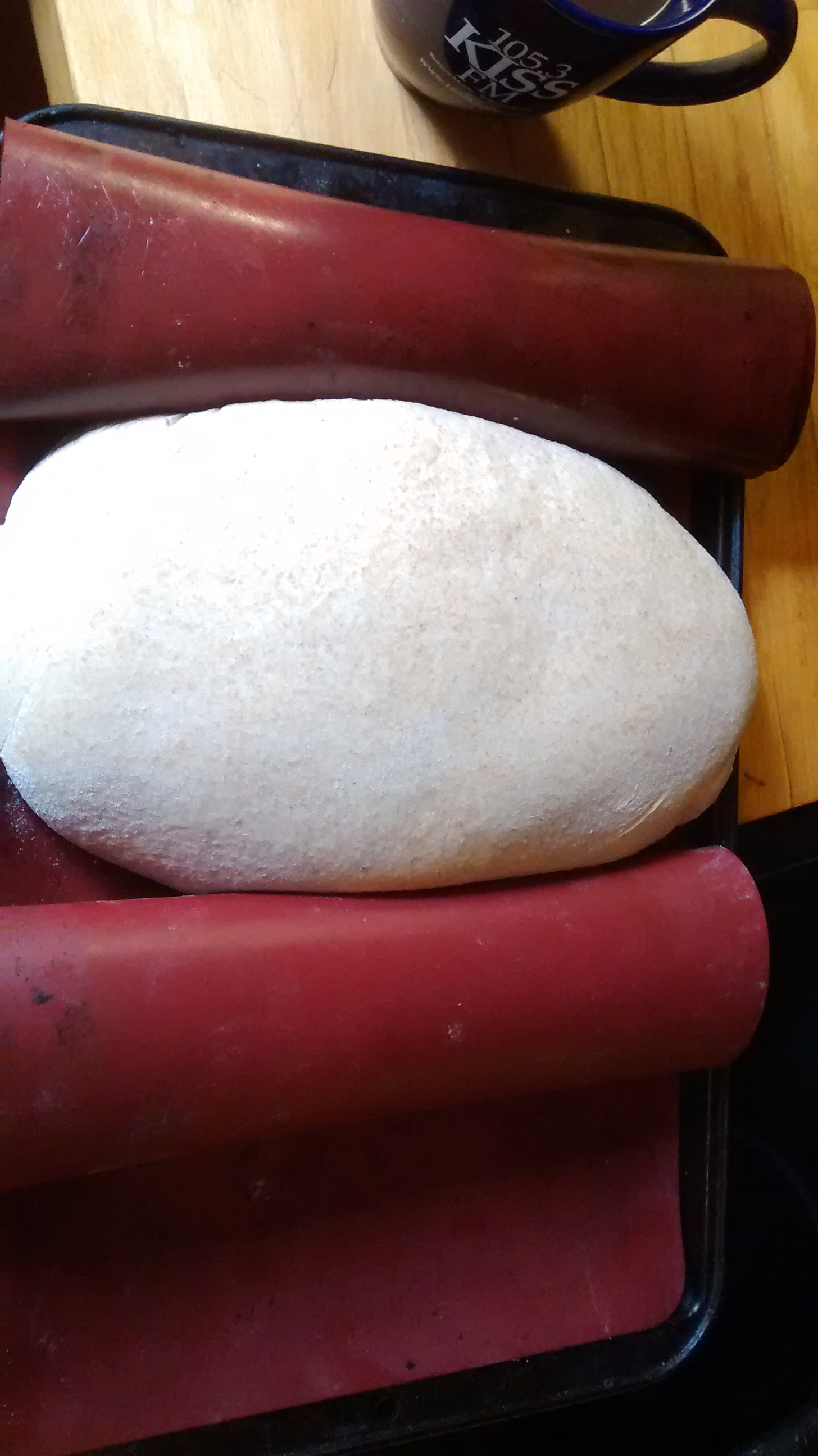
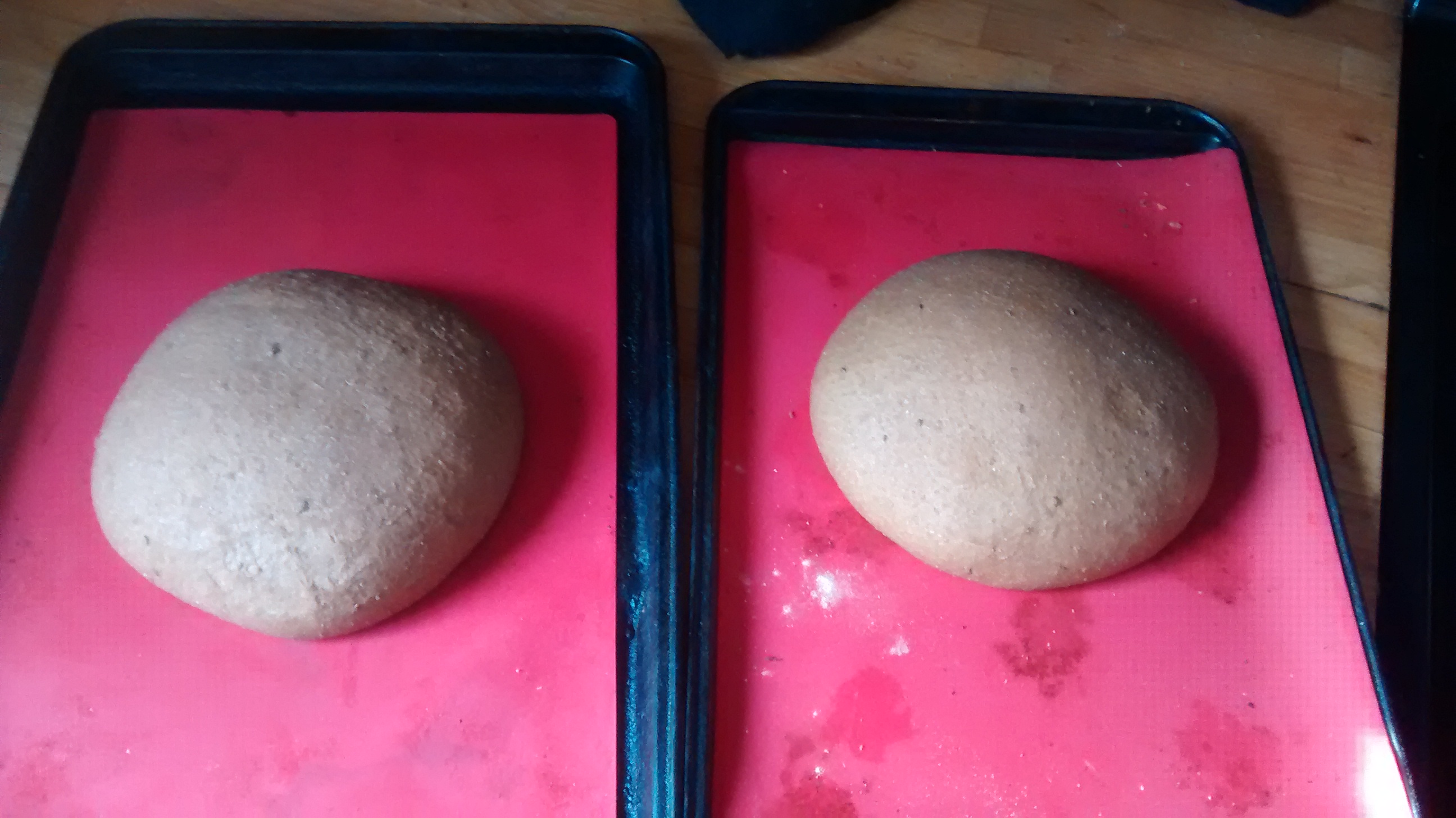
Sourdough pumpernickel loaves formed and ready to double in bulk.
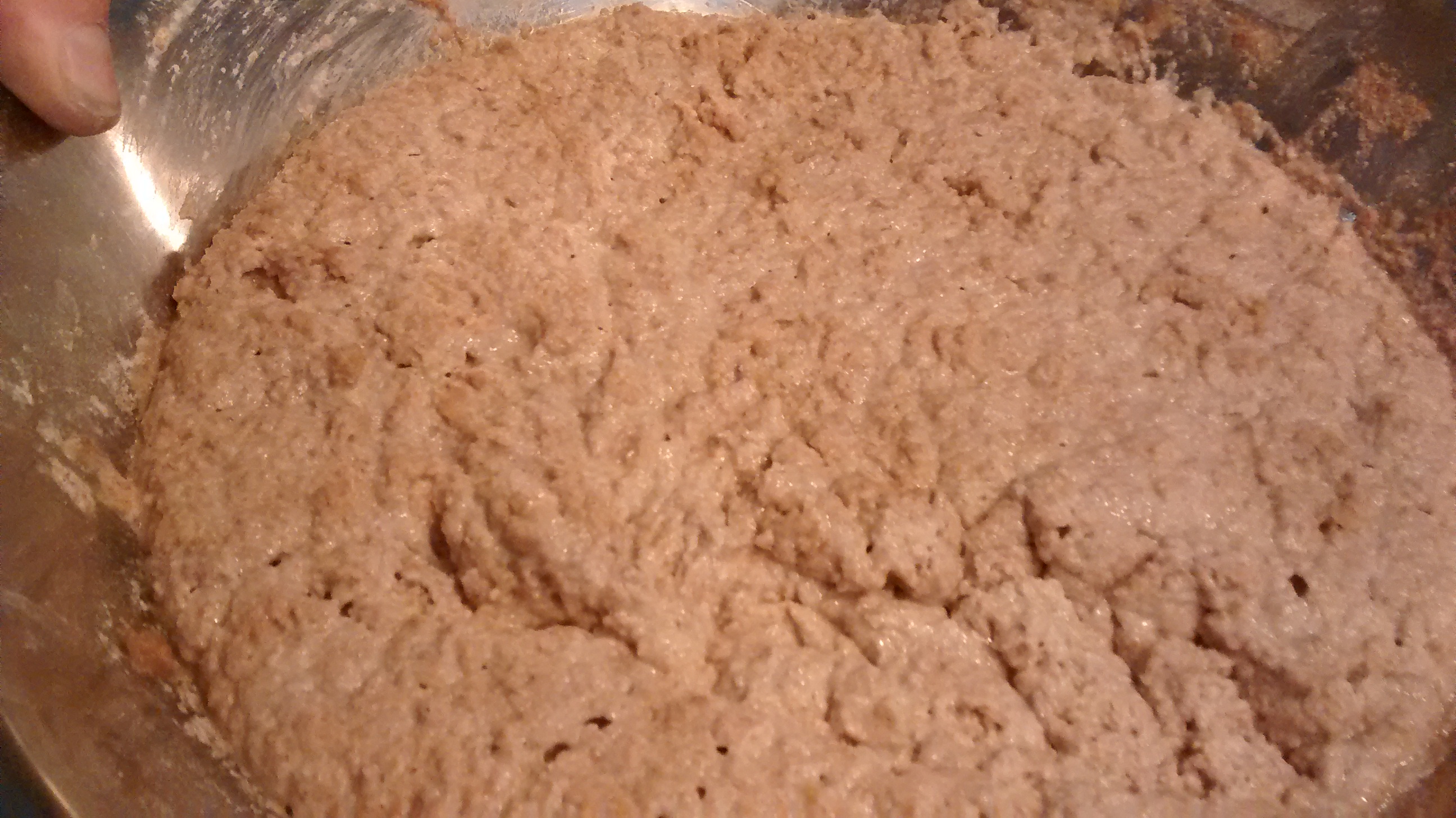
The overnight sponge takes a bit more time, but the long hydration period is a perfect match for whole grain baking, and while you can substitute dry yeast for the sourdough, the latter offers an additional complexity that is a great compliment to the other flavours.
I’ve been using a variety of sourdough starters for a couple of decades, it offers both great flavour for your breads – that particular sour tang, while also giving you a more resilient method of leavening bread compared to commercial yeast.
Those starters – some of which were home made, starting from commercial yeast, from airborne cultures, from those on grapes or rye, and others which were purchased both dry and liquid or shared from others – varied in quality. Compared to the King Arthur starter some were more sour but none matched the effectiveness at leavening bread.
Using sourdough is a great and low cost means to produce great beads at home, and the starter from King Arthur is probably the easiest way to boost your chances of success.
Publisher of high quality how-to books for homesteaders and preppers which help you gain the skills and tools needed to help empower your independence.